HK$
HK$ SG$
SG$
Asian aesthetics have become mainstream and it is common to see Buddha statues and batik cushions in many modern households.
But there's much more to Asian decorative arts than meets the eye. In this series,we dive into different traditional crafts from Asia,
examining their roots, histories, and stories – along with how they continue to evolve and define design today.
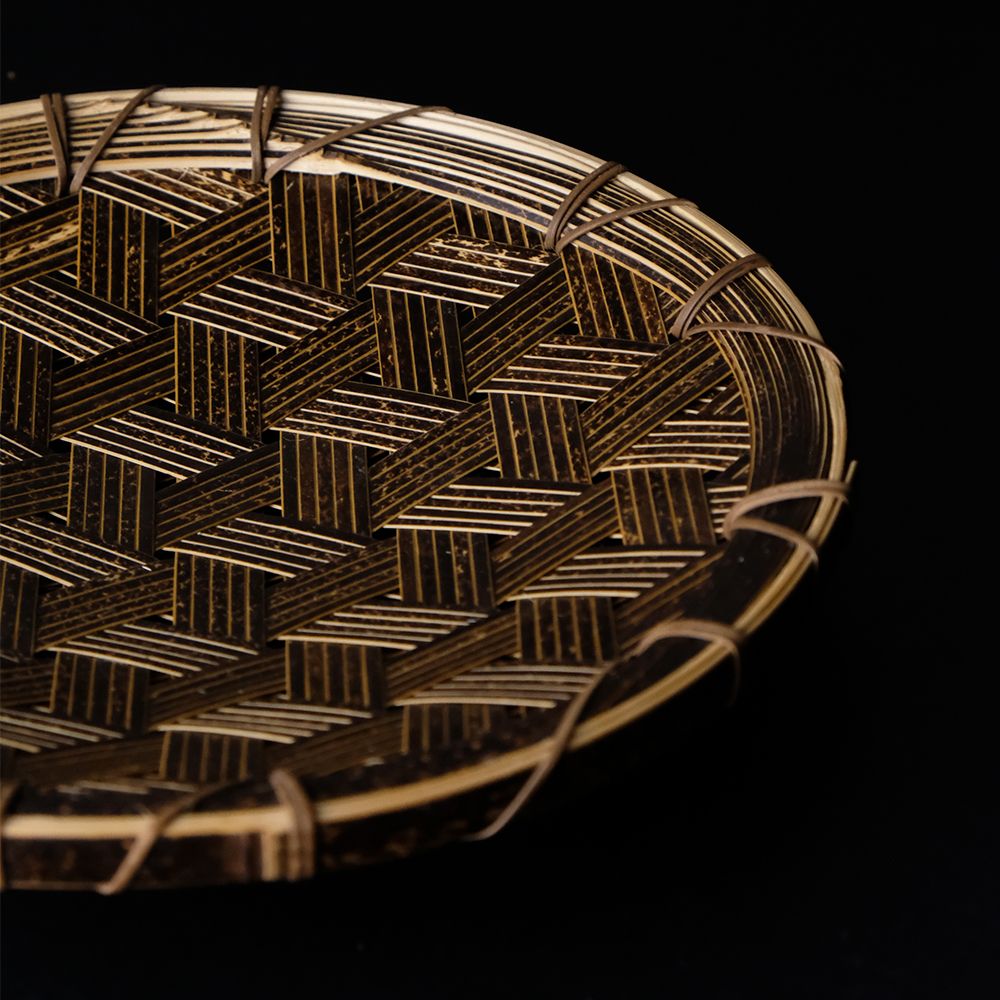
Bamboo has been a staple resource in Asia for centuries. In addition to being a primary building material for houses and other structures, bamboo has been widely used as a versatile resource for making handicrafts. The plant's natural flexibility and strength make it an ideal material for creating everything from baskets and furniture to musical instruments and even bicycles.
The history of bamboo handicrafts in Asia goes back several millennia. Archaeologists have found evidence of bamboo baskets and pottery in the ruins of ancient Chinese and Indian civilizations dating back to around 5000 BCE. Bamboo was also widely used by the Japanese in traditional tea ceremonies, where it was fashioned into delicate whisks to froth the tea.
Over time, bamboo handicrafts became more refined and specialized. In China, bamboo weaving became an art form during the Tang Dynasty (618-907 CE), and baskets, hats, and mats were crafted in intricate patterns. During the Ming Dynasty (1368-1644 CE), bamboo was used to create furniture, including chairs, tables, and screens, which are still highly prized by collectors today.
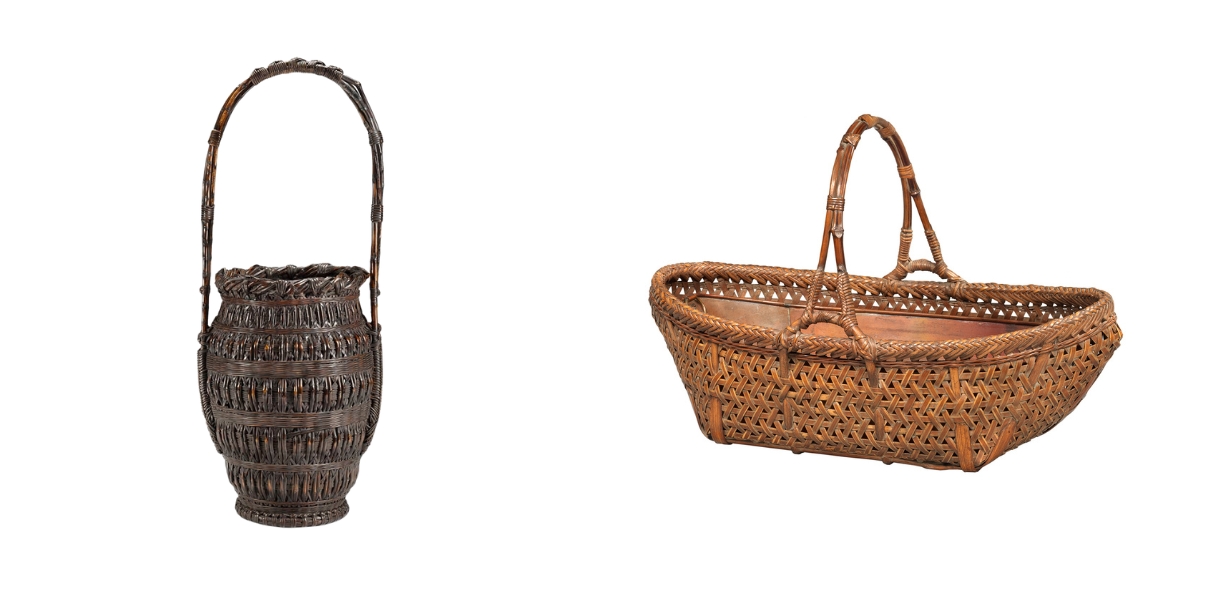
Bamboo artworks by Tanabe Chikuunsai I
In Japan, bamboo handicrafts reached their peak during the Edo period (1603-1868 CE). Bamboo baskets and containers were made in a variety of shapes and sizes and were used for everything from carrying firewood to storing food. One of the most famous bamboo artists of this time was Tanabe Chikuunsai I, who created elaborate bamboo sculptures and baskets that were displayed in exhibitions throughout Japan.
In Southeast Asia, bamboo has been used for centuries to make a variety of handicrafts, including hats, baskets, and mats. In Indonesia, the art of weaving bamboo baskets is still practiced today, with craftsmen creating intricate designs using different types of bamboo.
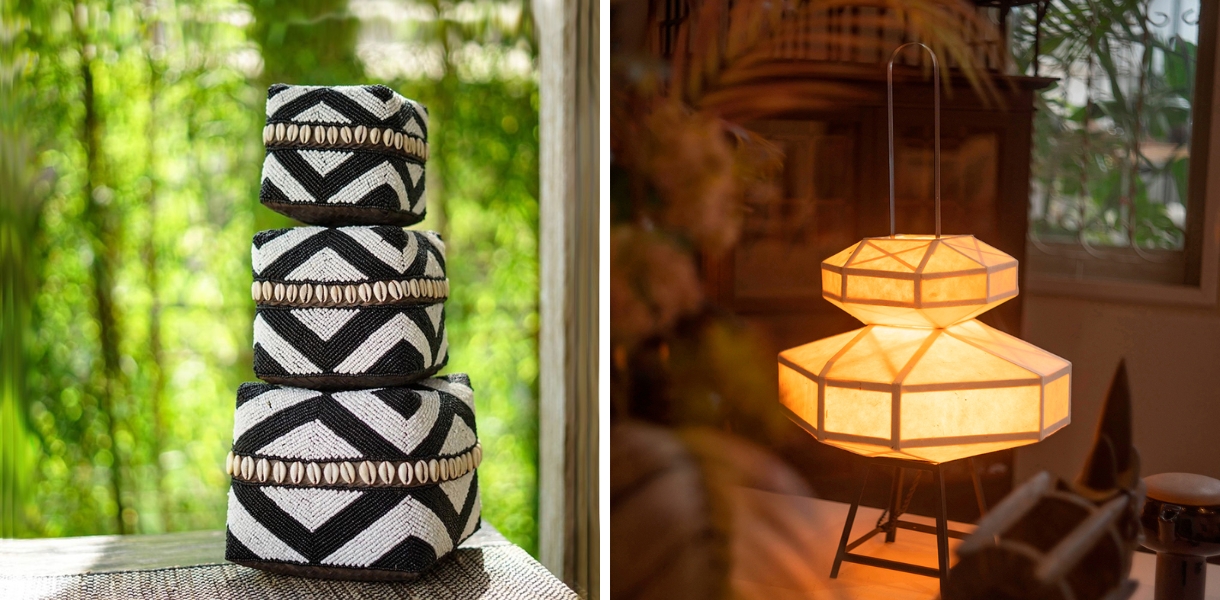
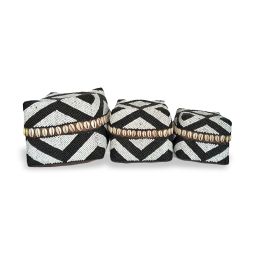
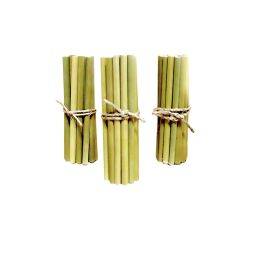
Beaded Box Bali (Set of 3) by ANADA and Cairn Lantern by Sumphat Gallery
Bamboo handicrafts have continued to evolve and adapt to changing times. Today, bamboo is used to make a wide range of products, from home decor to clothing and even bicycles. In China, bamboo has become a popular material for building eco-friendly houses and furniture, while in Japan, bamboo is used to create modern and minimalist designs.
One of the reasons bamboo is so popular as a handicraft material is its sustainability. Bamboo is a fast-growing plant that can be harvested in just a few years, compared to hardwood trees, which can take decades to mature. This makes bamboo an eco-friendly material that can help reduce deforestation and plastic waste. In addition, bamboo has a natural antibacterial property, which makes it ideal for products like cutting boards and utensils.
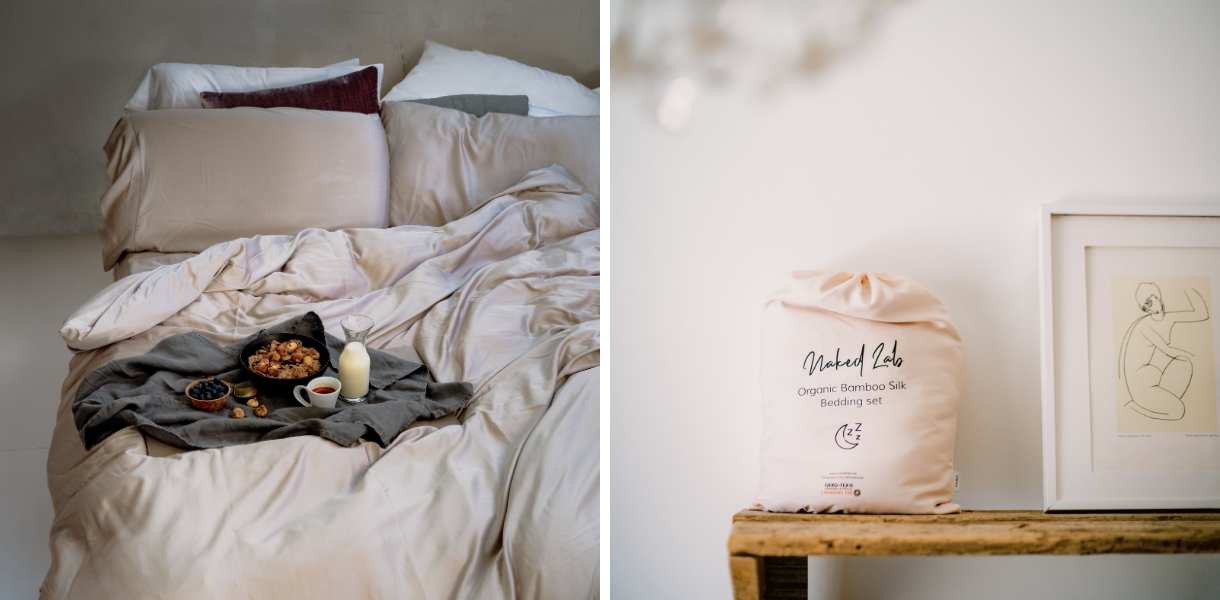
BambooSilk Bedding Set by NakedLab
In recent years, bamboo has also gained popularity as a sustainable alternative to traditional materials like wood and plastic. Bamboo flooring, for example, has become increasingly popular as a more environmentally friendly alternative to hardwood floors. The use of bamboo in clothing and textiles has also become more widespread, with companies using bamboo fiber to create soft, comfortable fabrics that are gentle on the skin.
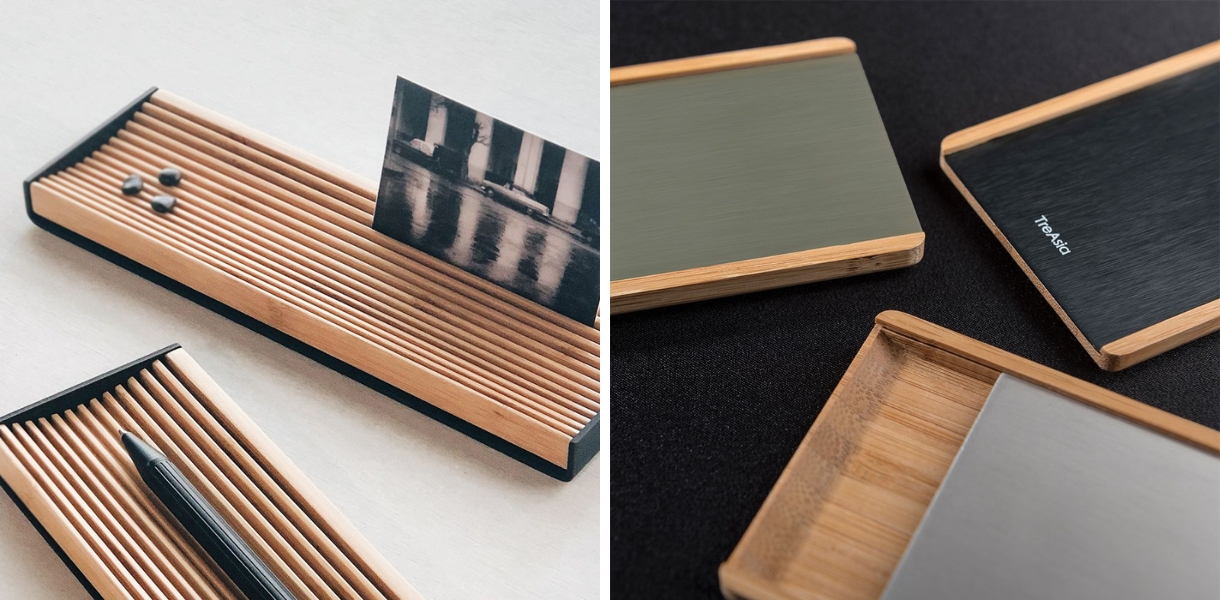
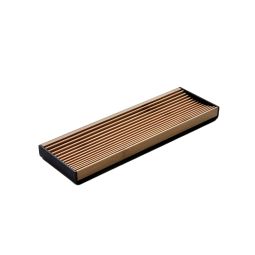
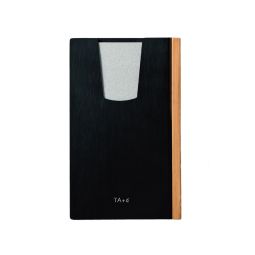
Arc Organizer and Slide Bamboo Card Case by TA+d
Bamboo handicrafts have a rich and diverse history in Asia. From ancient times to the present day, bamboo has been used to create beautiful and functional objects that reflect the creativity and ingenuity of the people who made them. As we move towards a more sustainable future, bamboo will continue to play an important role in shaping the world of design and craftsmanship. With its unique properties and versatility, bamboo is a resource that will continue to inspire and delight artists and craftspeople for generations to come.